MISA SHIN GALLERY
Toward a Continuous Horizon
Artist | Han Youngsoo, Shingo Francis, Maeda Saki, Shigihara Yuka
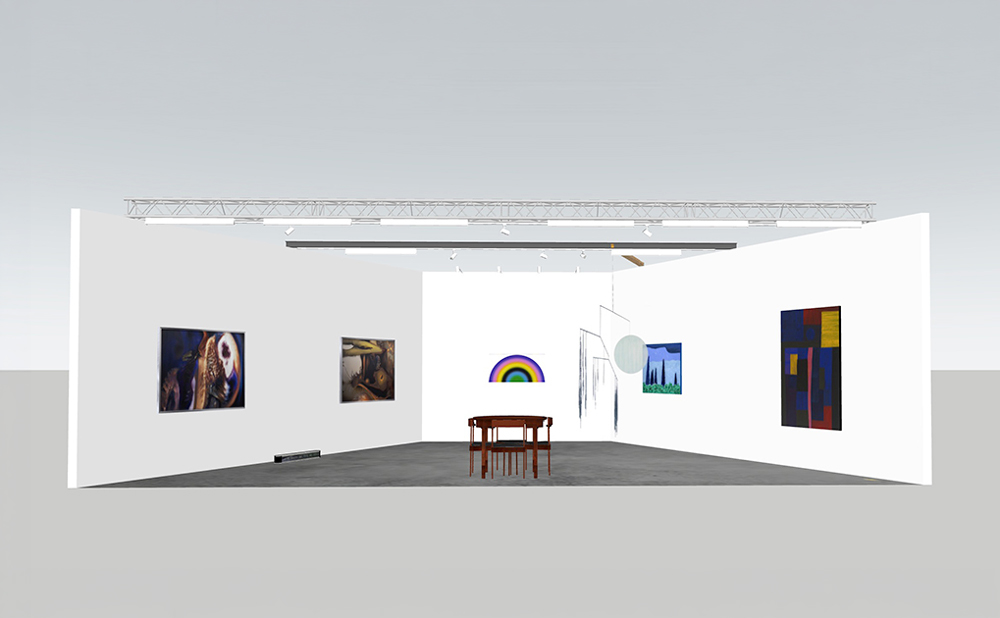
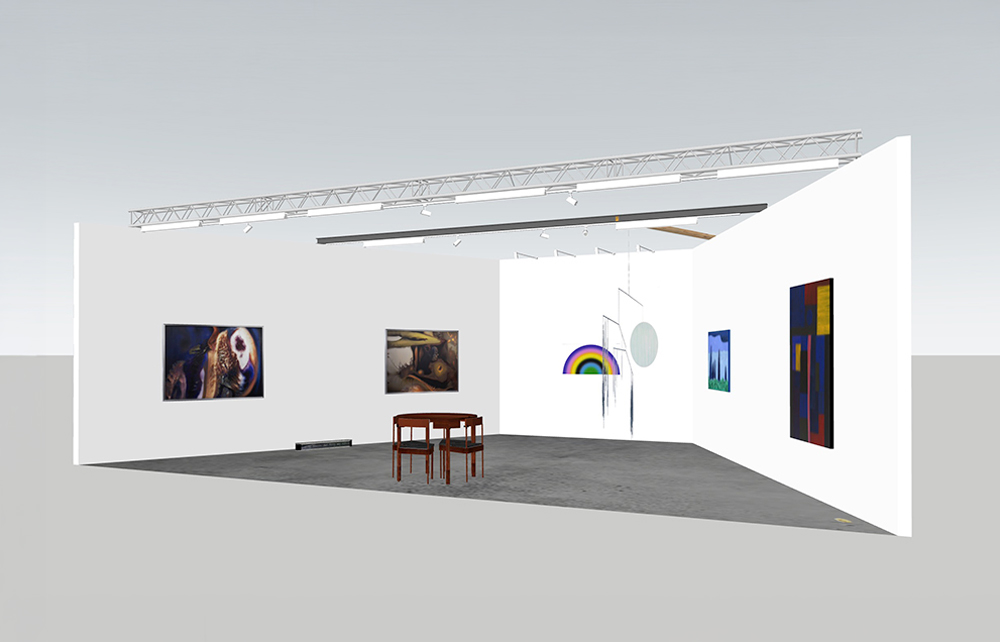
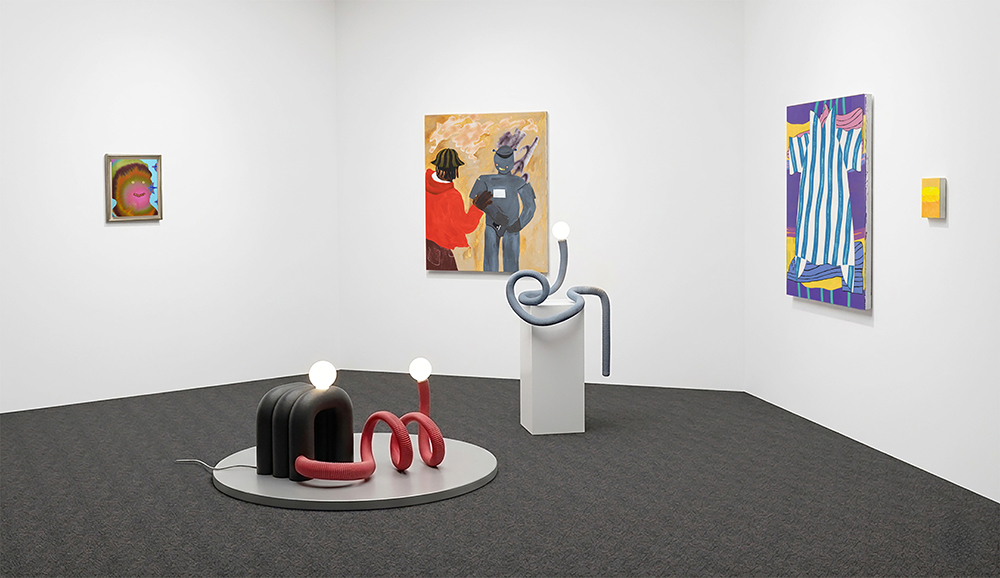
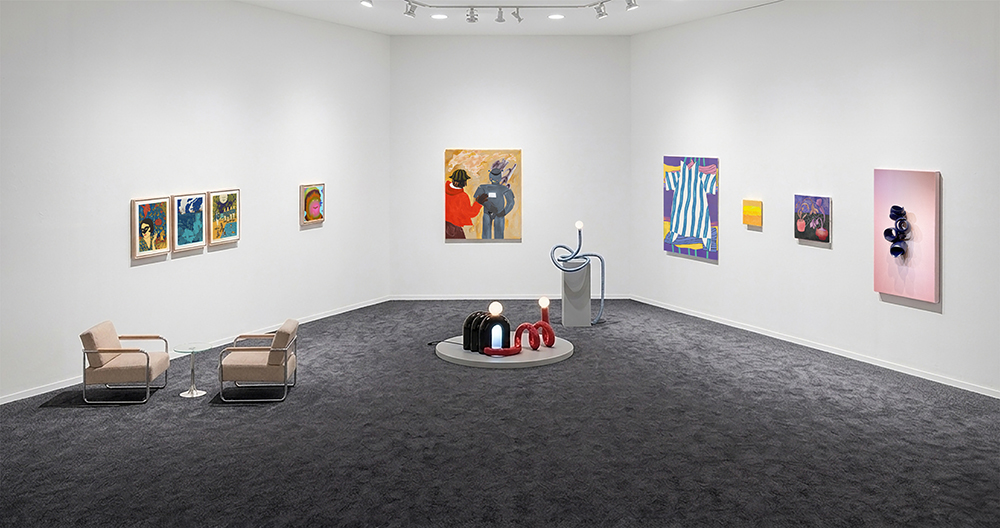
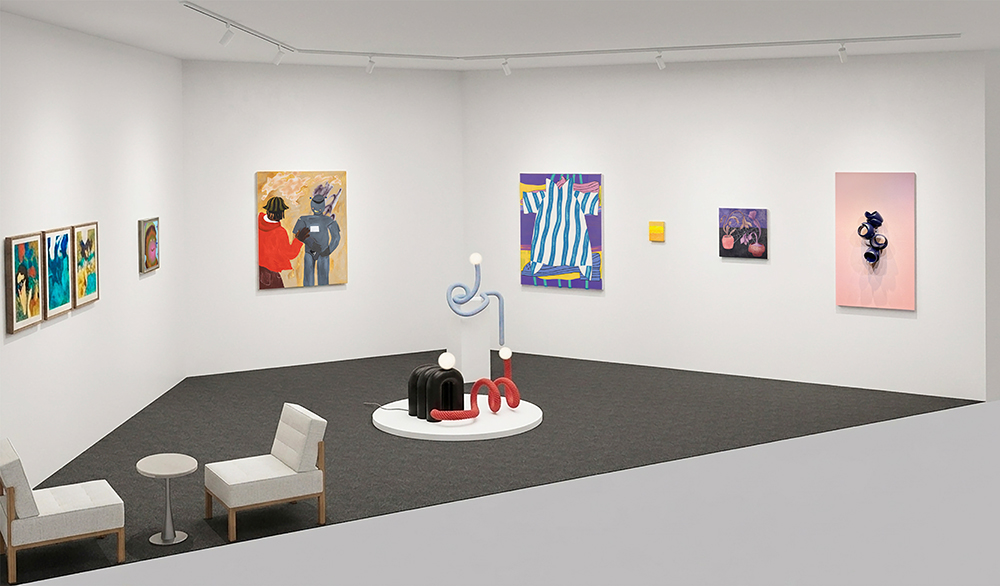
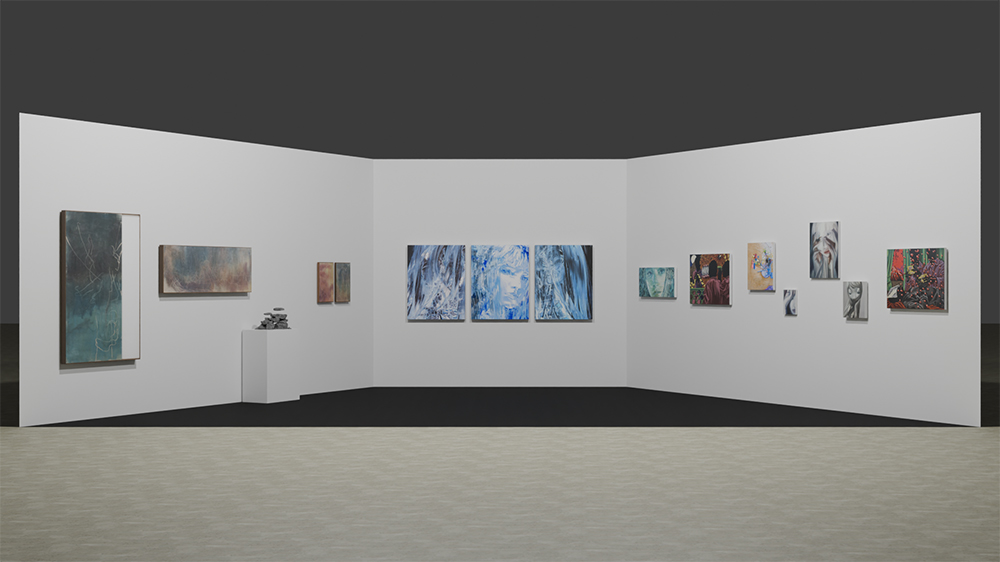
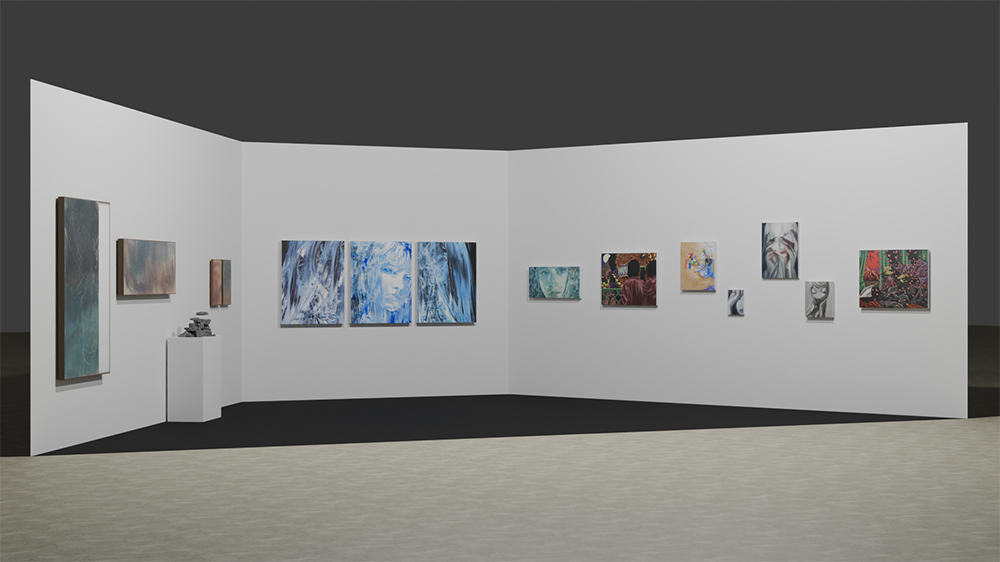
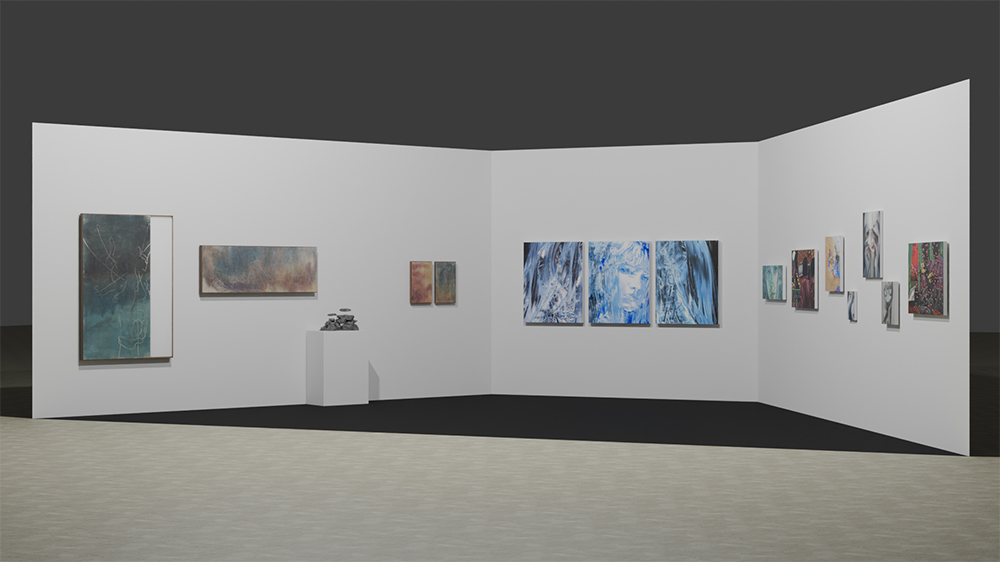
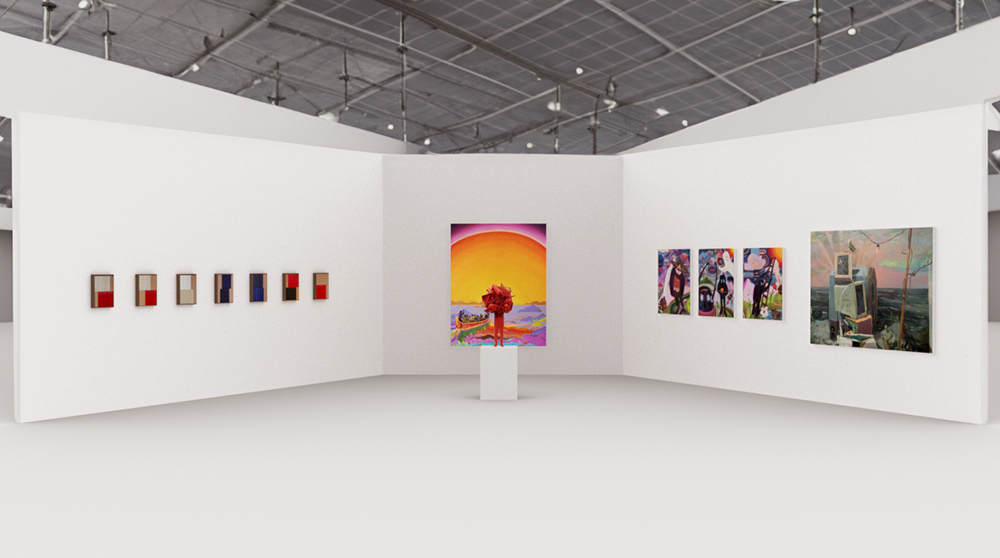
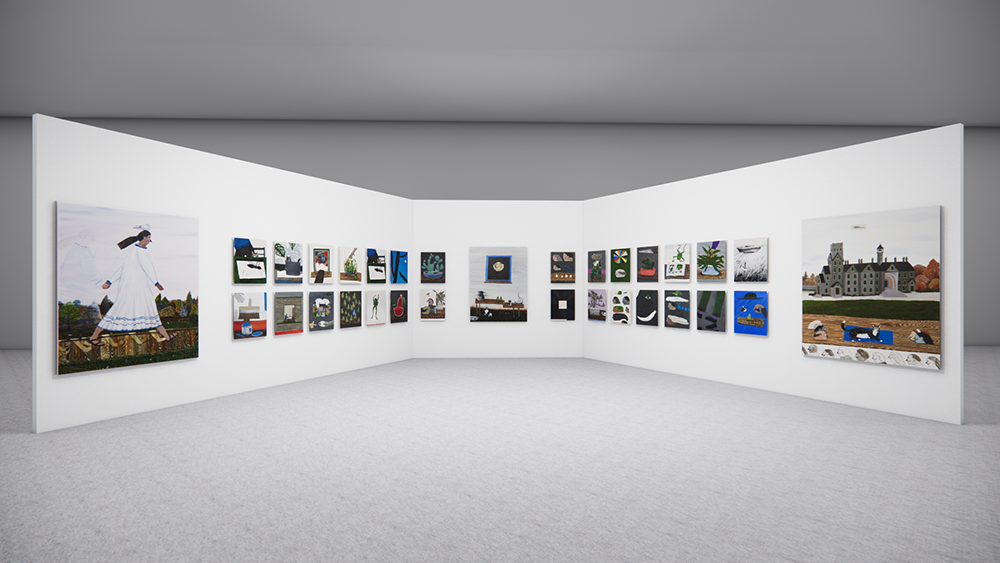
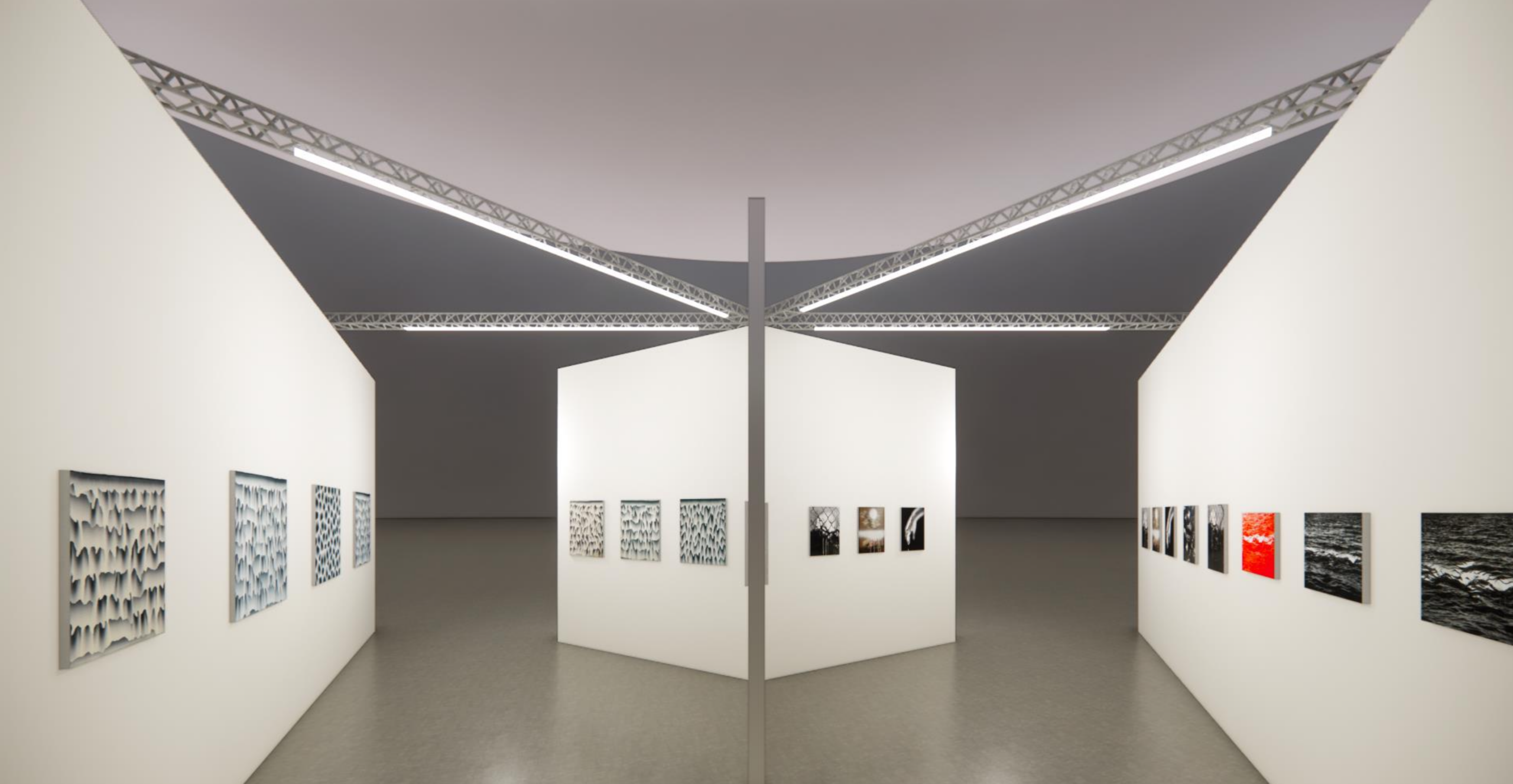
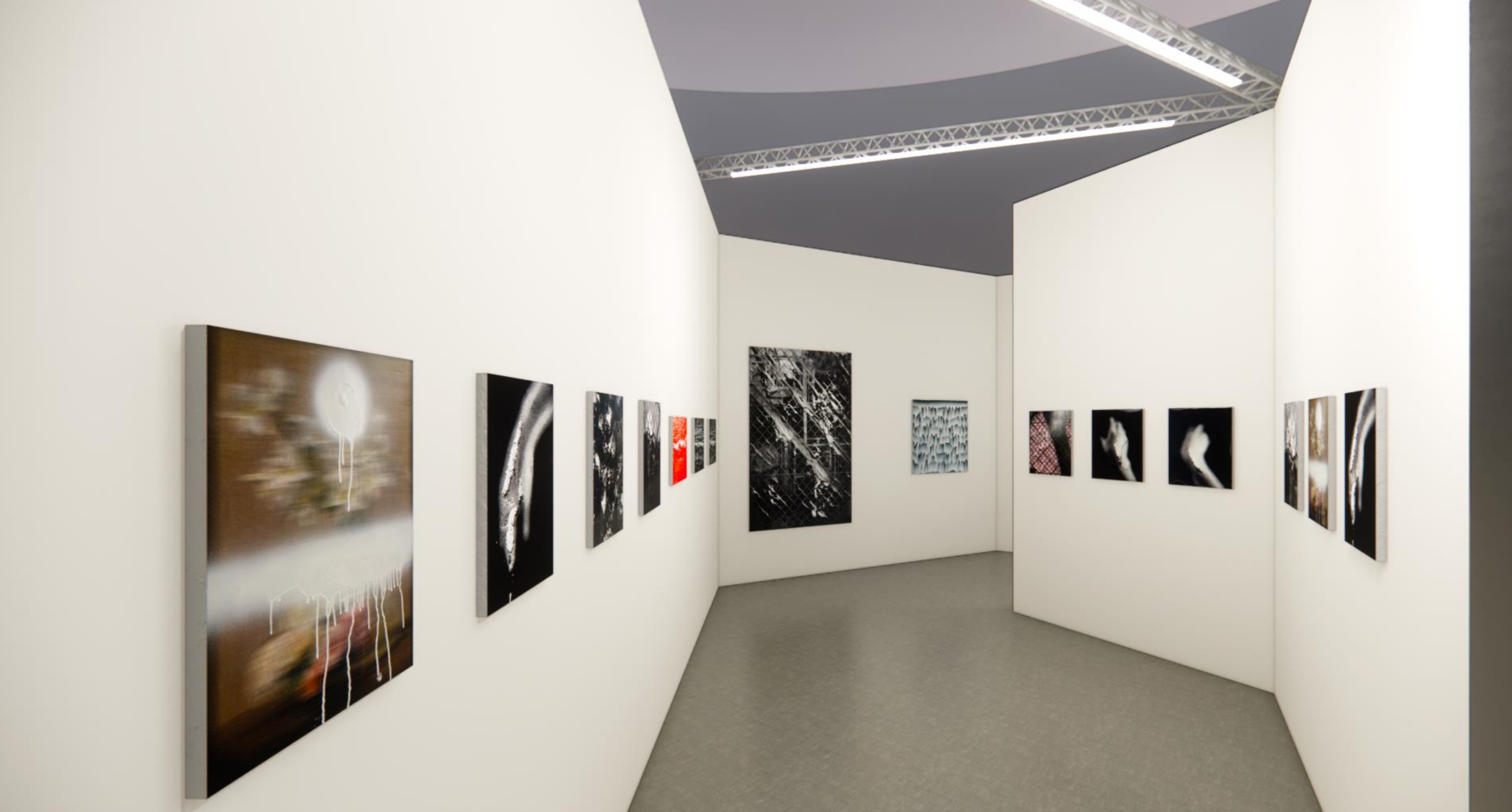
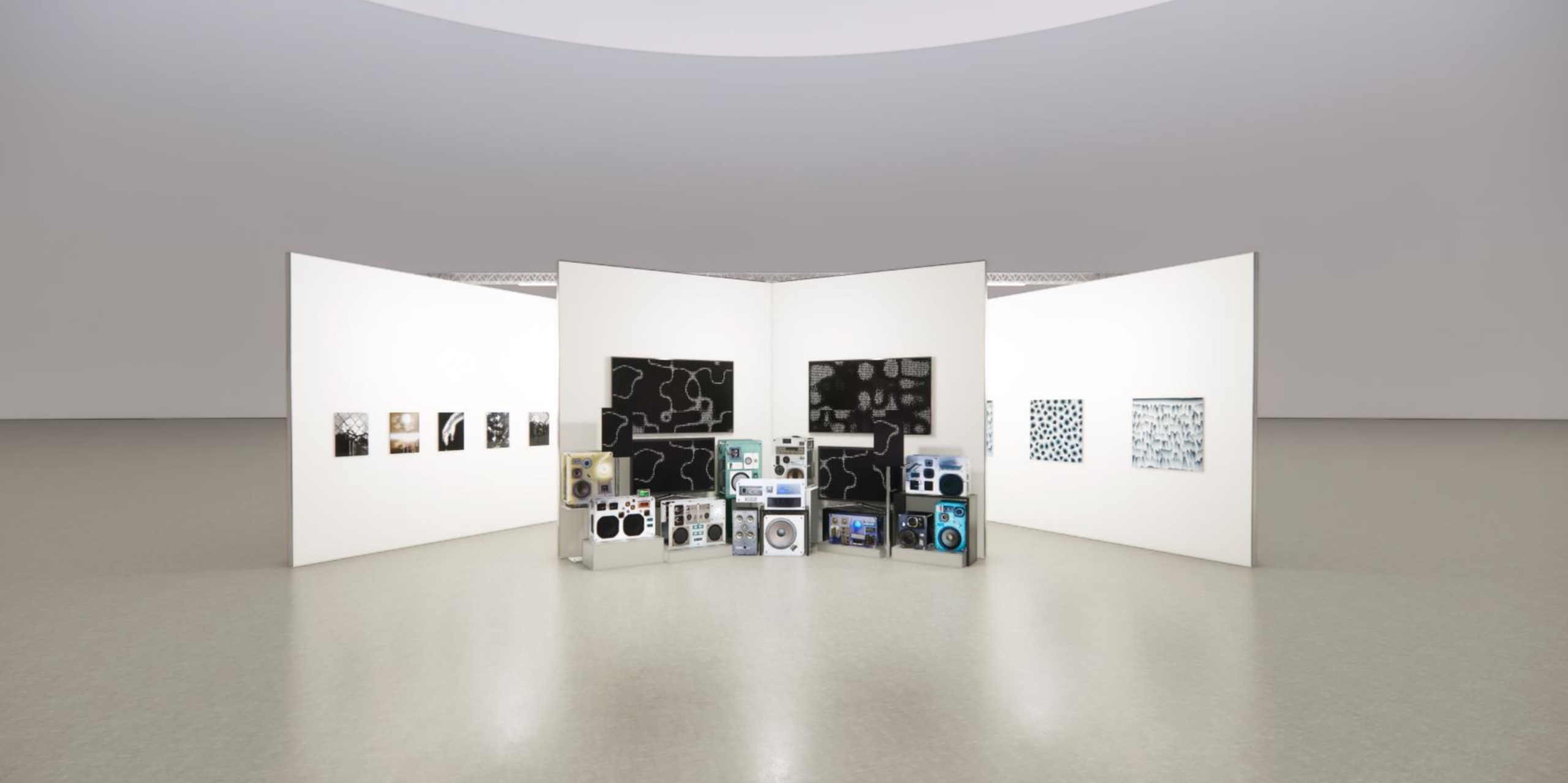
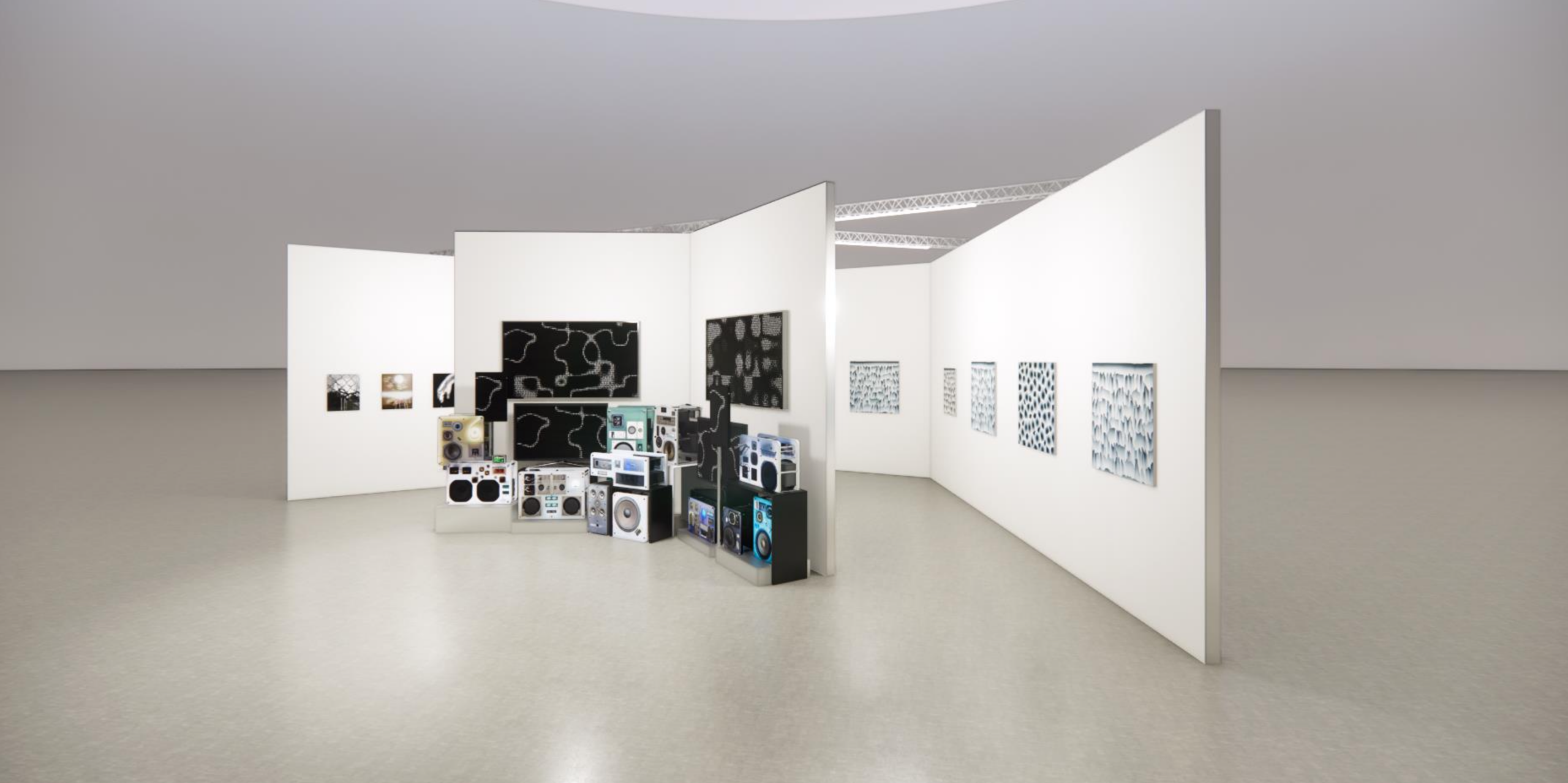
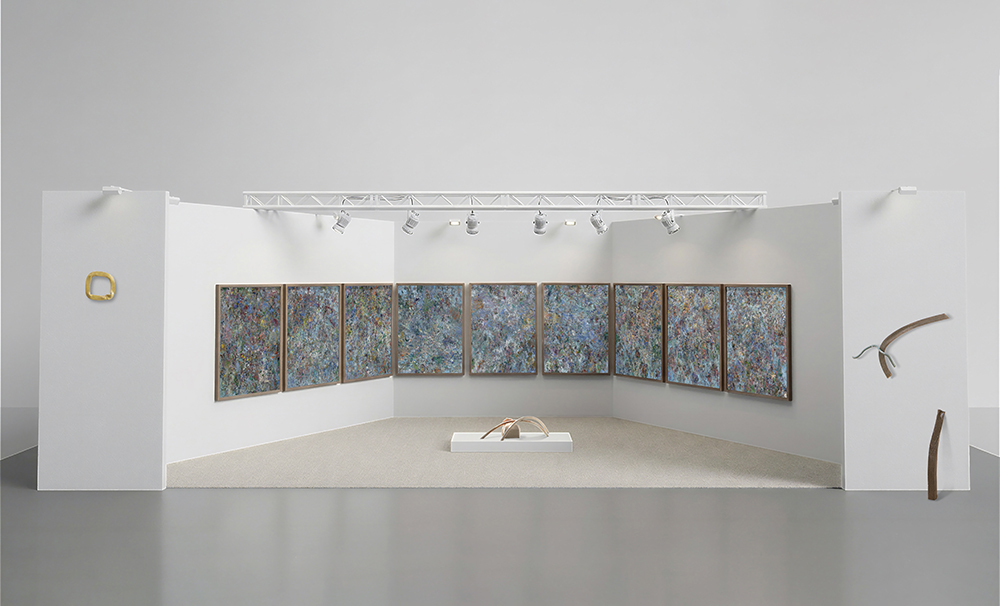
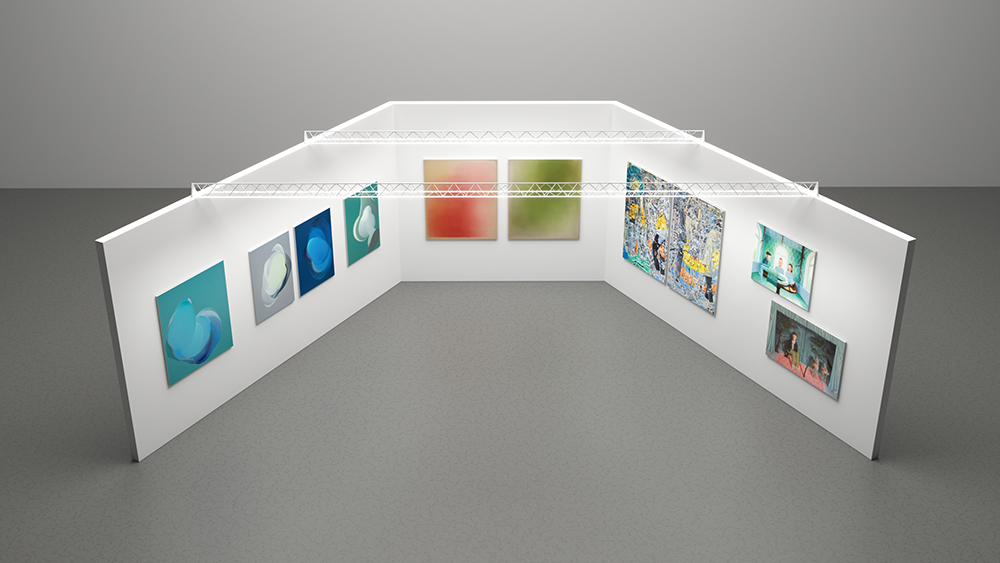
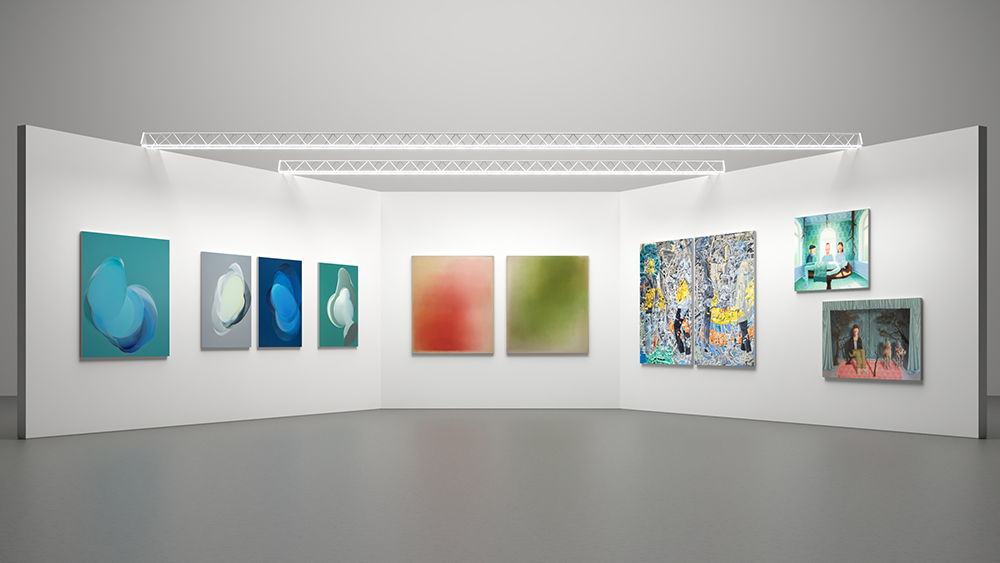
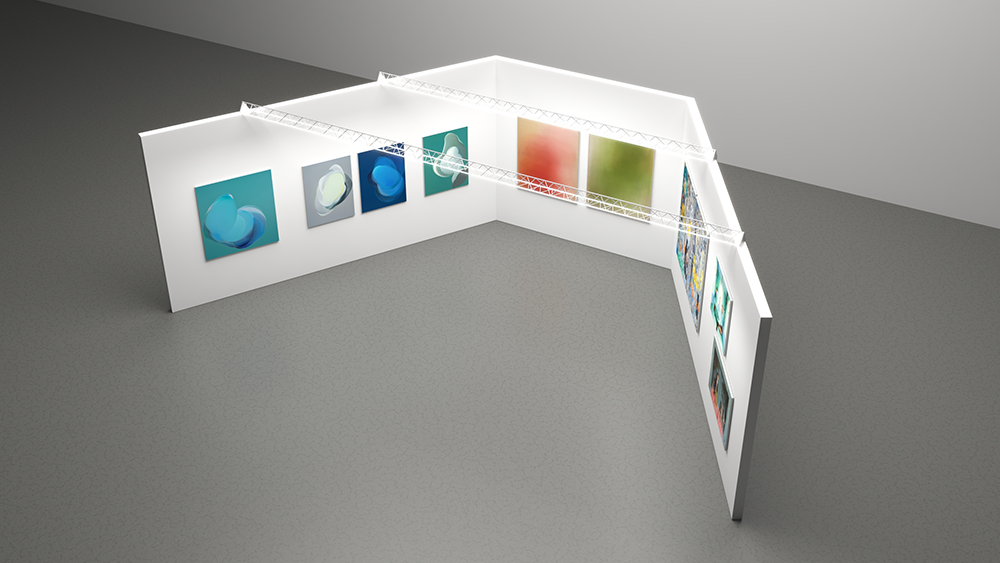
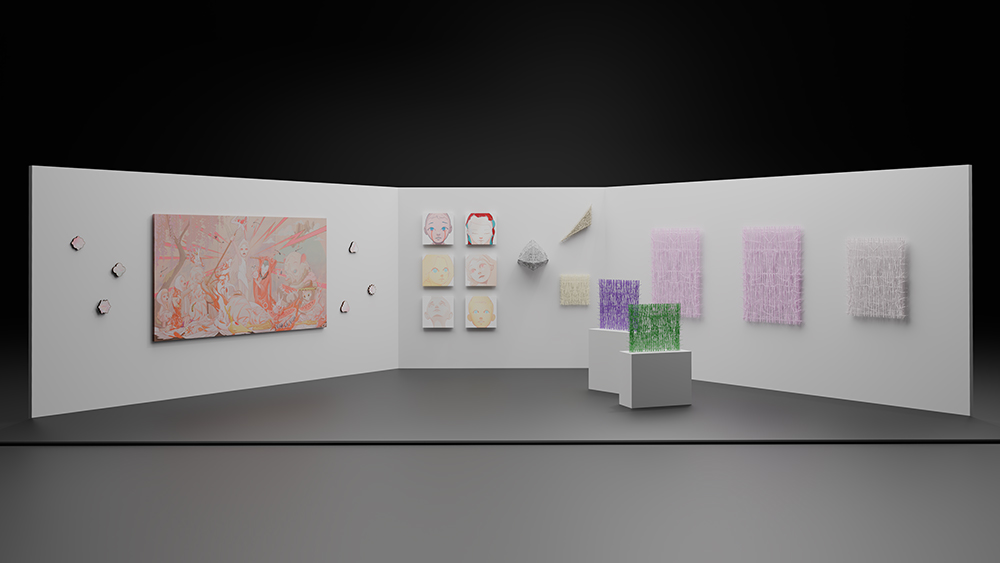
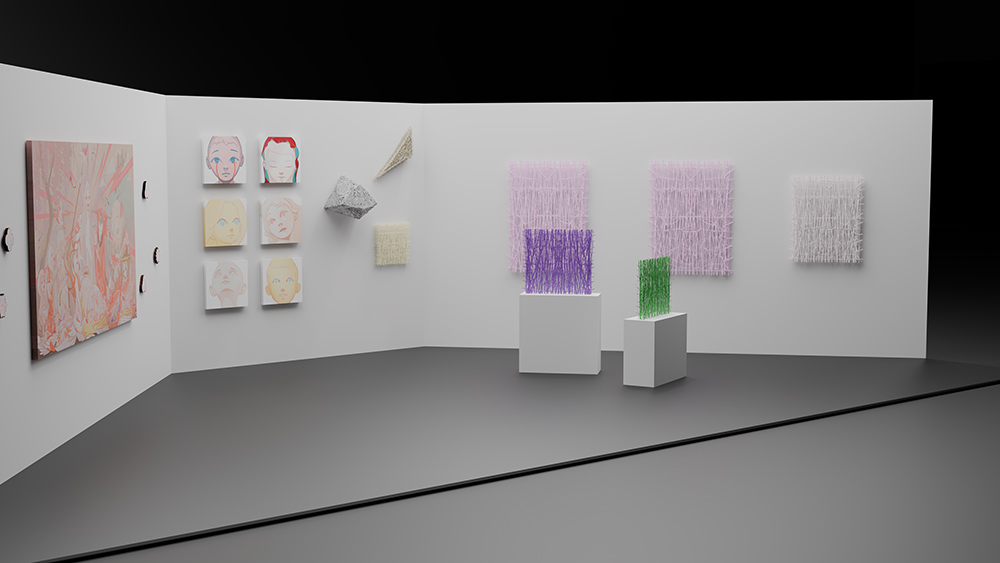
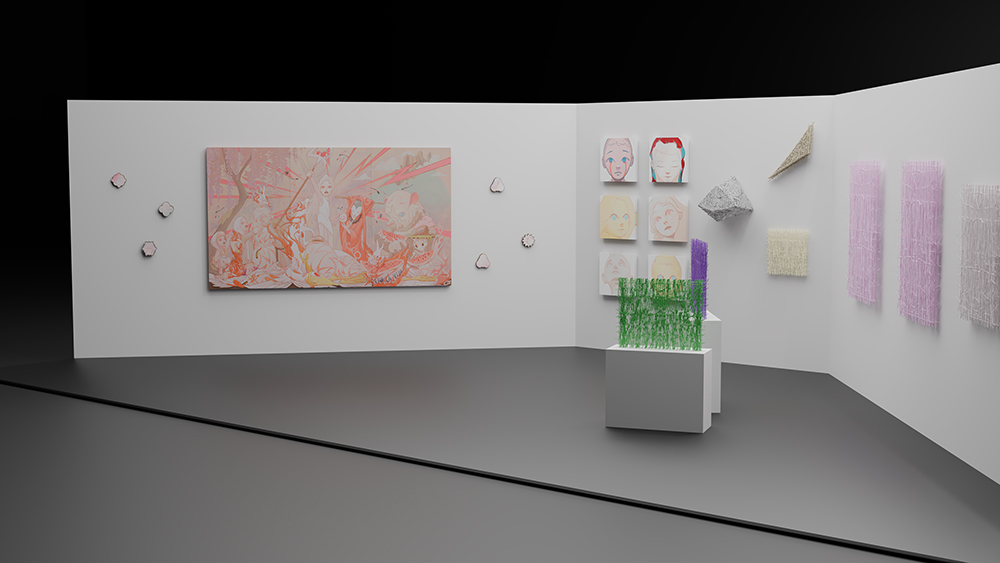
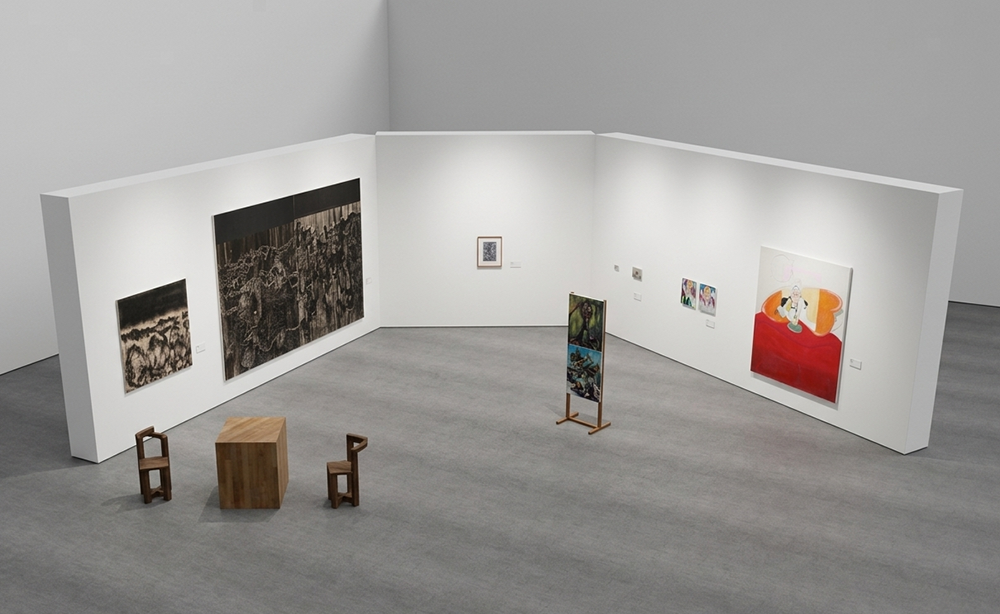
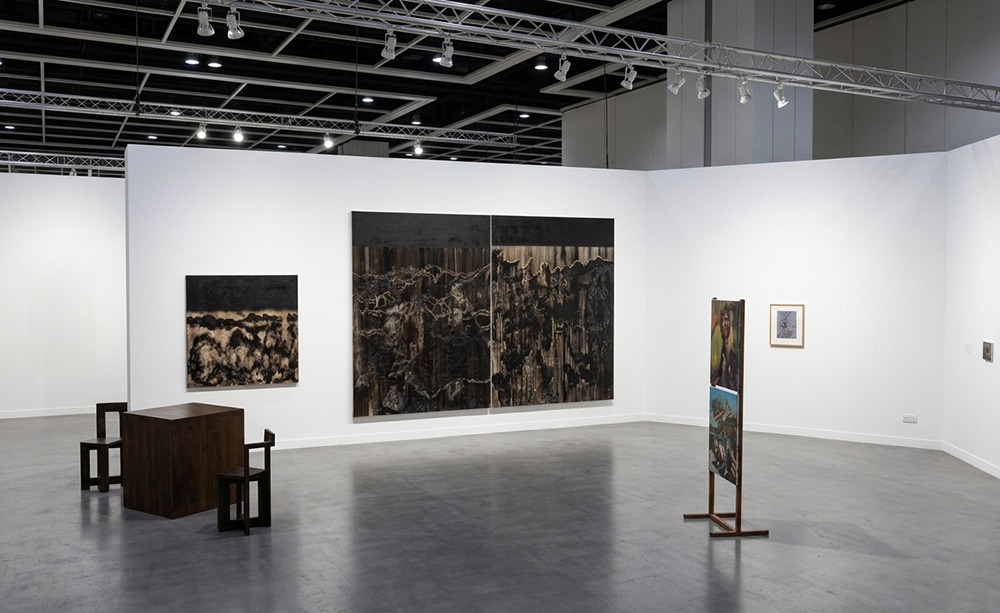
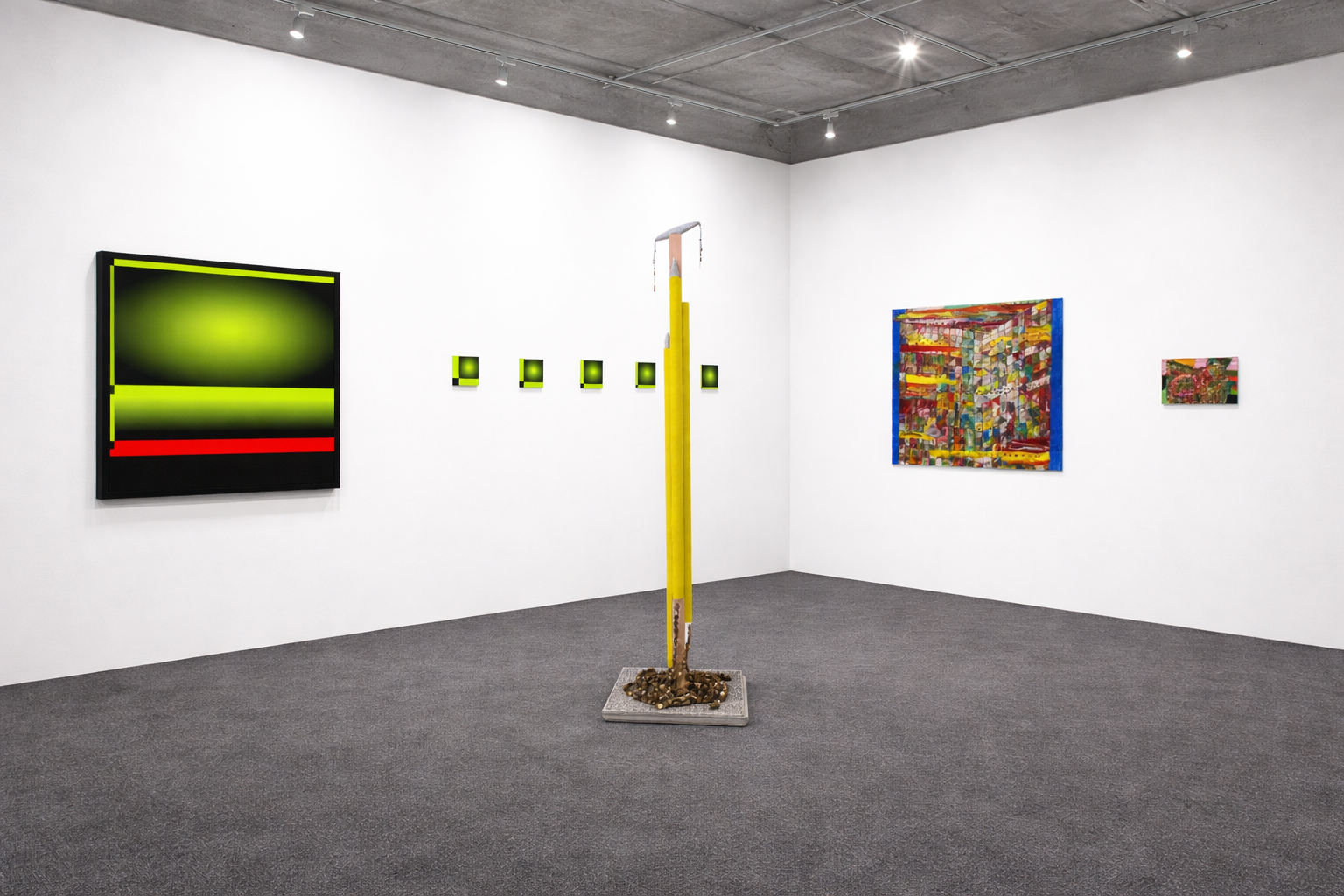
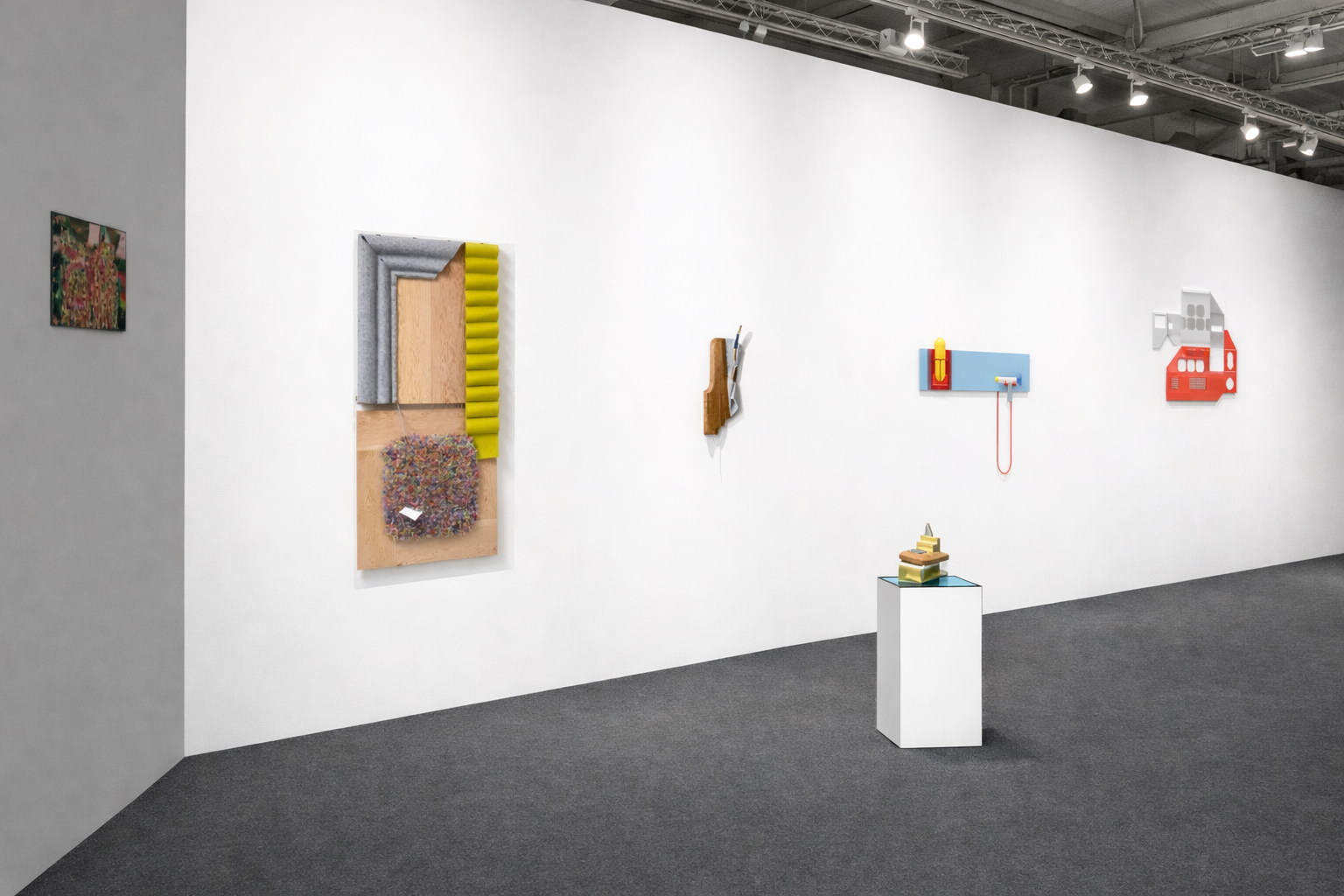
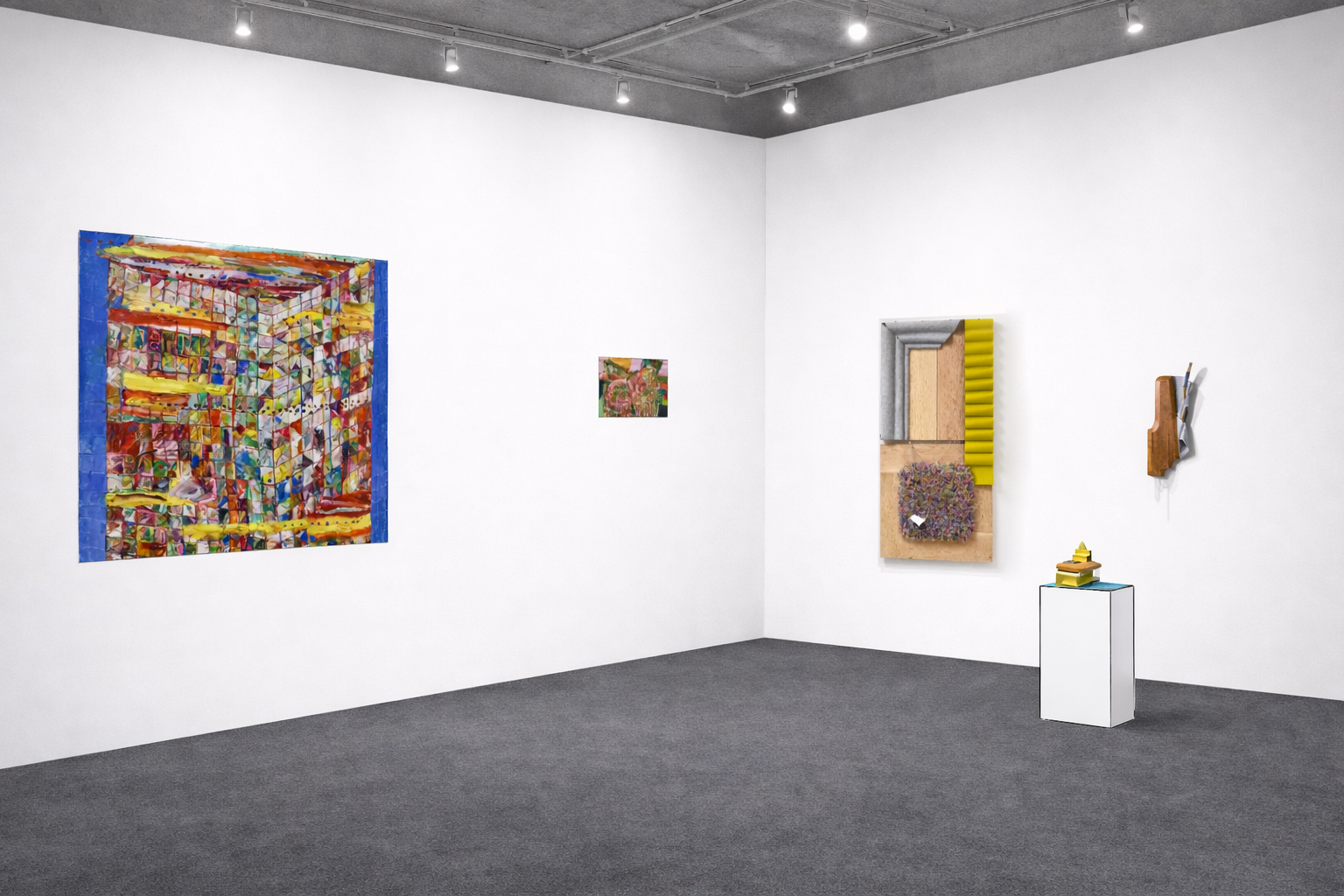
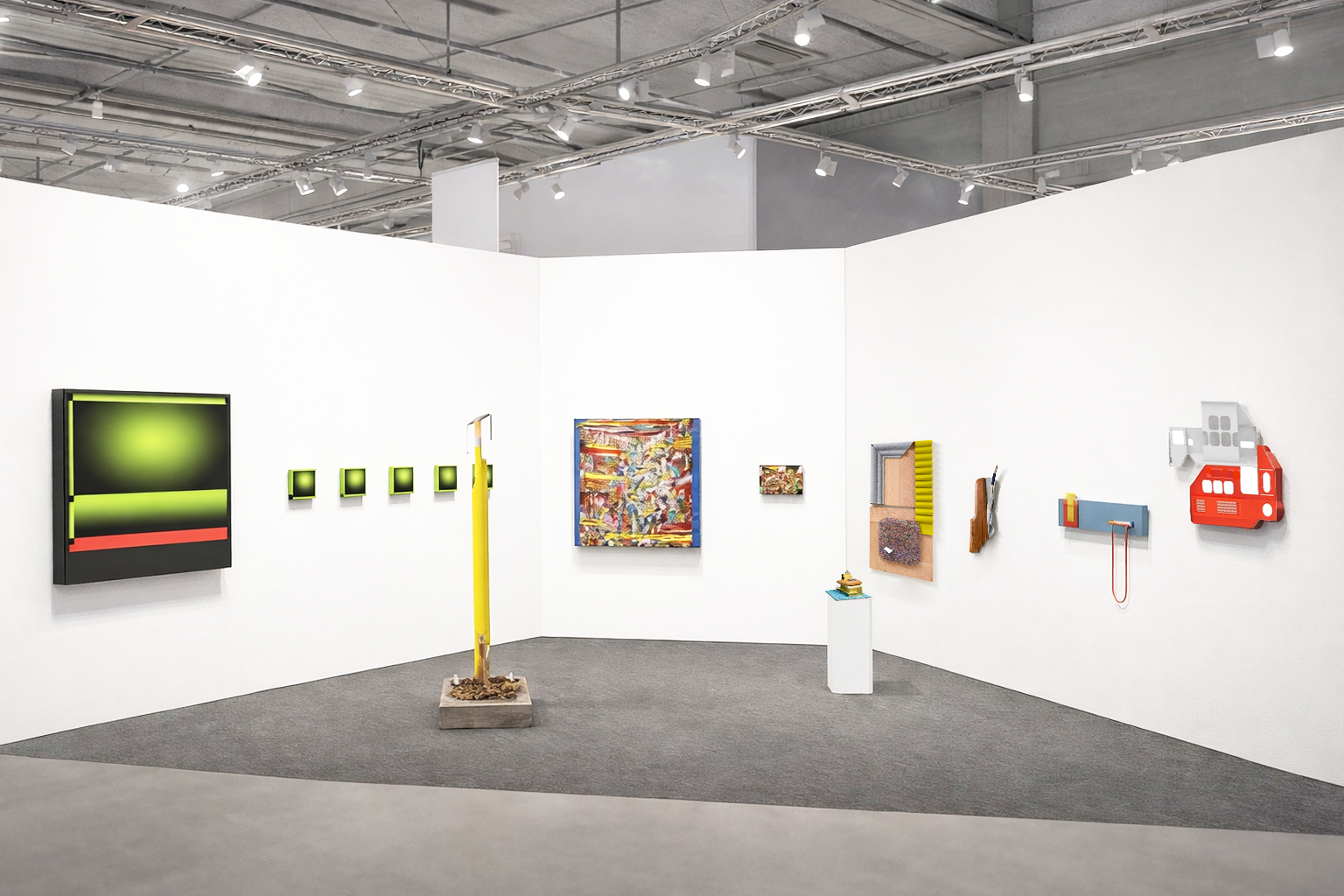
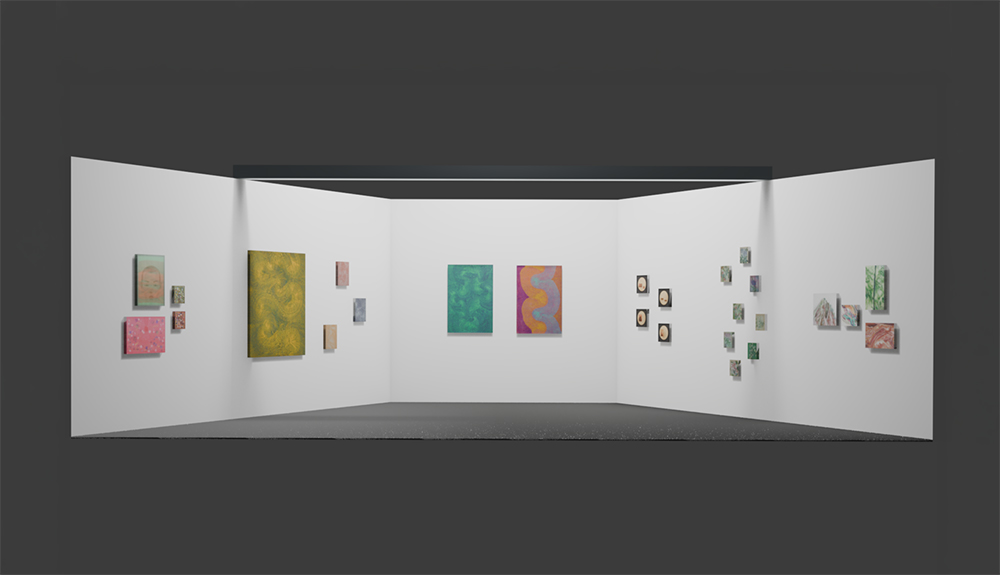
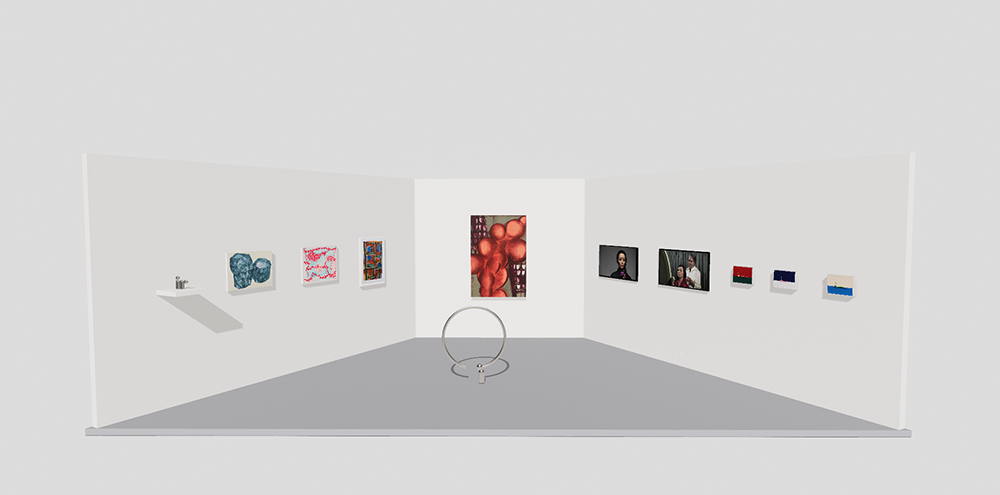
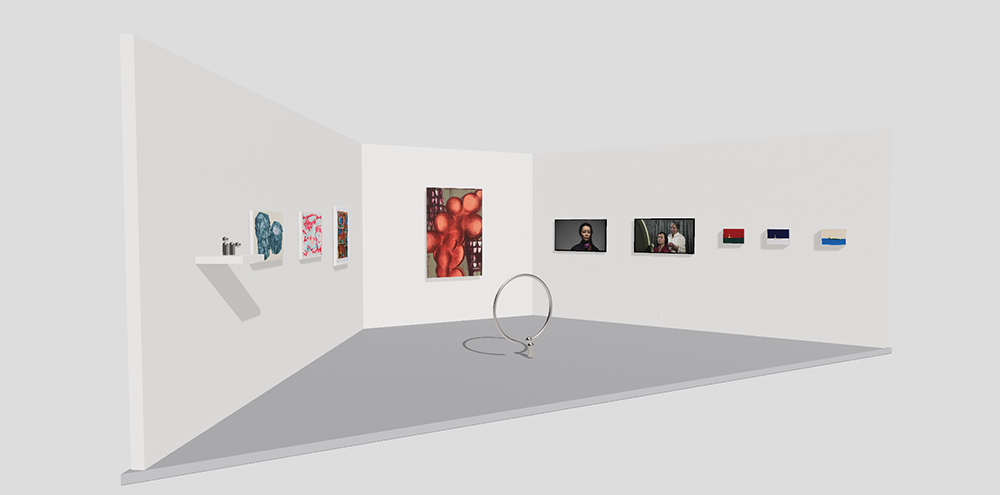
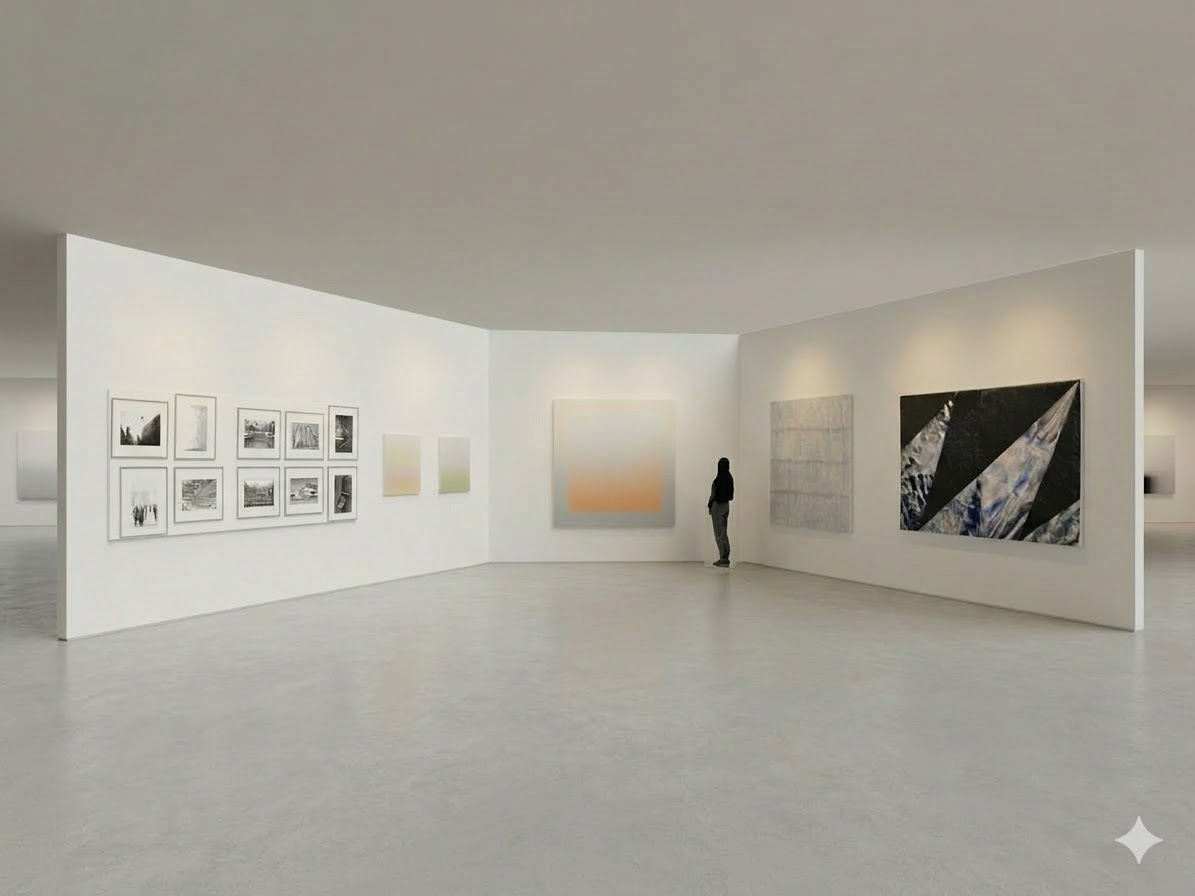
MISA SHIN GALLERY presents a group exhibition featuring paintings by Shingo Francis, Saki Maeda, and Yuka Shigihara, alongside photographs by Han Youngsoo. Bringing together artists of different generations and mediums, the exhibition explores contemporary abstraction and visual culture through practices grounded in material engagement, duration, and perceptual awareness.<br />
A key point of reference is Dansaekhwa, the Korean monochrome movement of the 1970s. Rather than a purely visual style, Dansaekhwa is rooted in the relationship between body, material, and time. Through repetition and restraint, painting shifts away from representation toward an accumulation of actions. The surface becomes a site where spiritual and perceptual depth emerge through process.<br />
Historically, Dansaekhwa developed in dialogue with Japan’s Mono-ha, which examined the presence of materials and their relation to space and perception. Within this context, Lee Ufan’s philosophy of relationality provided a framework for reconsidering the connections between subject and object, matter and spirit. Together, these movements articulate an East Asian approach to abstraction centered on interdependence and temporality.<br />
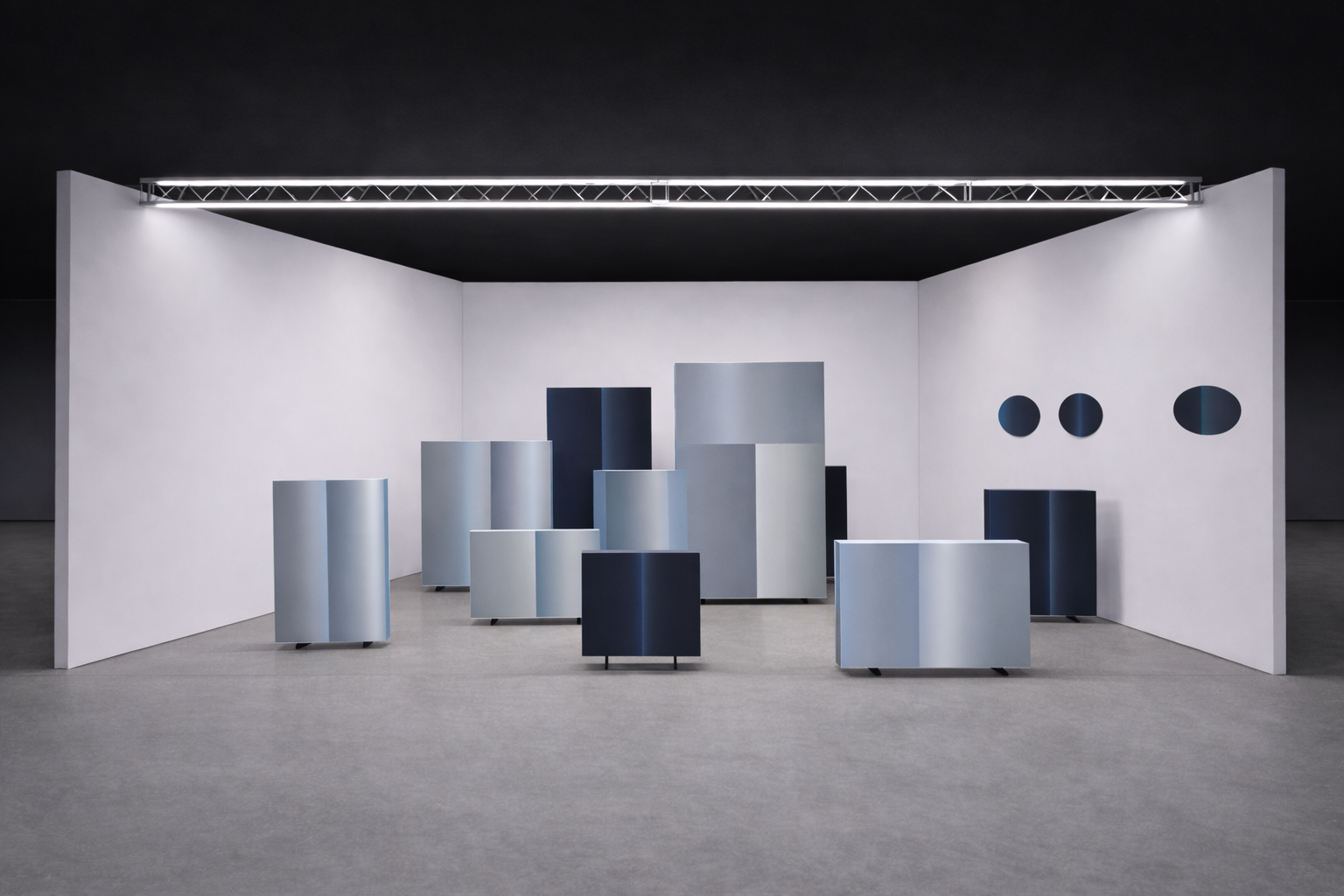
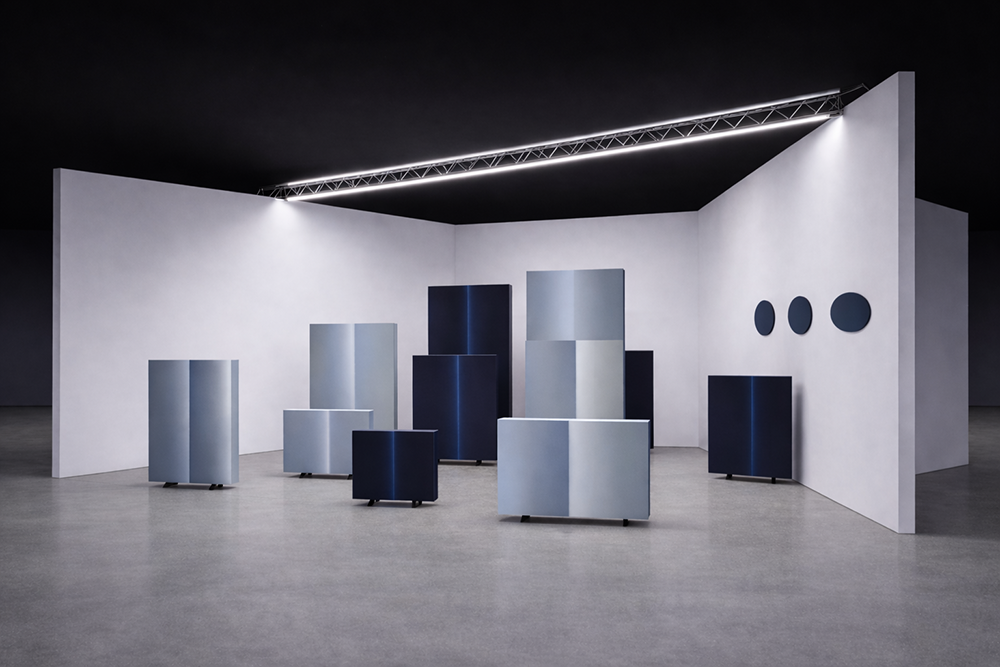
While the painters in this exhibition do not inherit the stylistic language of Dansaekhwa, their practices resonate with its ethos. Shingo Francis’s (b.1969) Interference series treats light and color as dynamic phenomena, transforming painting into a temporal field that unfolds through shifting perception. The work is not fixed, but continuously changes depending on light and viewpoint.<br />
Saki Maeda (b.1993) constructs her paintings through accumulated gestures within rigorously controlled compositions. Subtle tensions arise between drawing and erasure, formation and collapse. Through these layered actions, her works generate a quiet density that invites sustained attention.<br />
Yuka Shigihara (b.2000) emphasizes prolonged engagement with process. Through repetition and erasure, surfaces evolve gradually, allowing latent images to emerge. Influenced by Dansaekhwa, she places greater importance on the act of making than on the final image, foregrounding process over resolution.<br />
The exhibition also includes works by Korean photographer Han Youngsoo (1933–1999), whose practice has gained renewed attention. After the Korean War, he documented the rapidly changing urban life of Seoul. His photographs capture individuals rebuilding their lives amid postwar transformation—figures that embody both memory and forward movement. A member of the Sinseonhoe (New Line Group), Han developed a distinctive visual language marked by compositional precision and sensitivity to everyday moments, conveying resilience and vitality.<br />
Seen from a broader East Asian perspective, the works of these four artists are connected through their responses to postwar conditions, introspective inquiry, and the search for new forms of expression. These practices are not isolated but part of a continuous historical trajectory.<br />
By traversing painting and photography, this exhibition brings together the legacy of Dansaekhwa, the memory of postwar society, and contemporary abstraction. It proposes abstraction not as a closed historical category, but as an evolving field—one that continues to unfold across time, material, and perception.<br />
<br />
#East Asia #postwar history #living legacy
More